Enforcement
Objective evidence of traffic violations, day and night.
Bike D Tec Enforcement is an AI camera system that detects traffic violations automatically: illegal overtaking, red-light running, driving where access is restricted, banned turns and wrong-way driving. Cities, municipalities and police zones get objective evidence, with the time and location, to issue fair sanctions without extra patrols.

From problem to result


-
01 The problem
Rules nobody checks lose their force
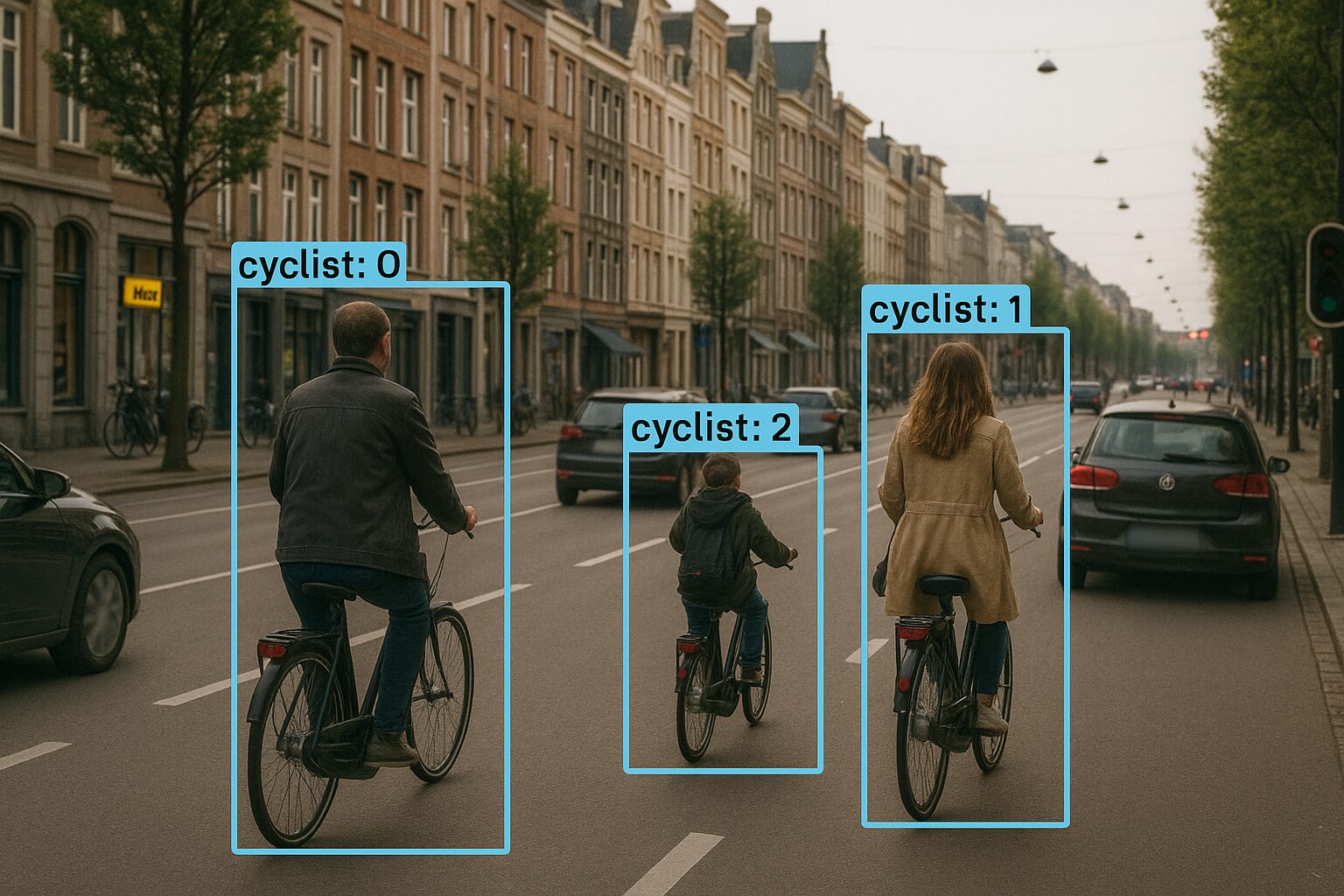
Every municipality has seen it: the driver who overtakes a cyclist where it is forbidden, who drives into a school street or an access-only street anyway, runs a red light, makes a banned turn or goes the wrong way down a one-way street. No patrol is everywhere every day, and behaviour changes the moment a uniform appears. Violations that everyone sees go unpunished, and that erodes trust in the rule itself.
-
02 Our approach
Cameras that detect violations objectively
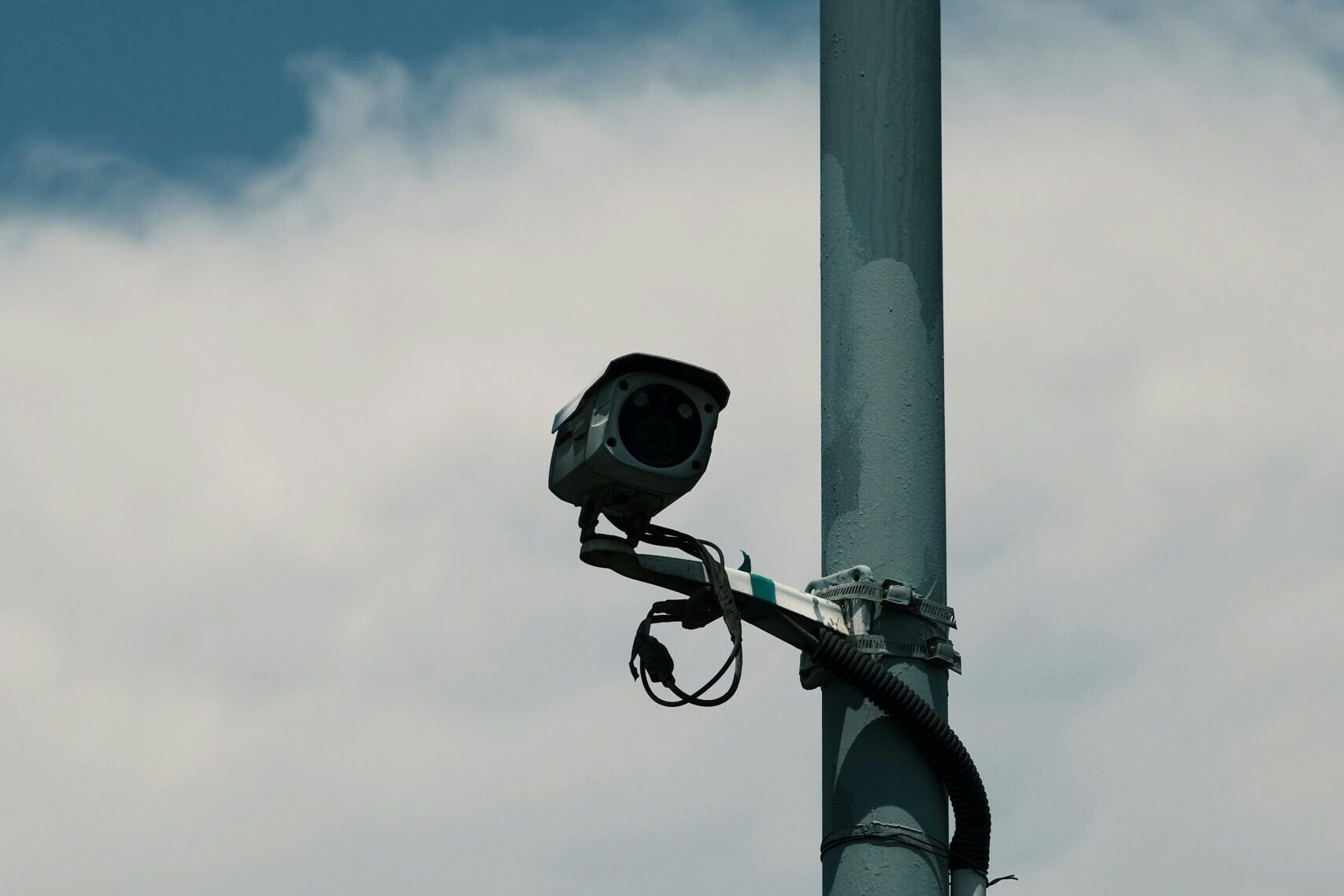
An AI camera recognises the road users in view: cars, vans, trucks, buses, cyclists, motorcyclists, e-scooter riders and pedestrians. For each location we set the rules that apply: no overtaking in a bicycle zone, no entry for certain vehicles, a banned turn or direction, a traffic light. When a rule is broken, the system creates a record: a short video clip with the time and location. No roadworks, no sensors in the road surface. Together we assess which of your existing cameras are suitable.
-
03 The result
Fair sanctions, safer streets
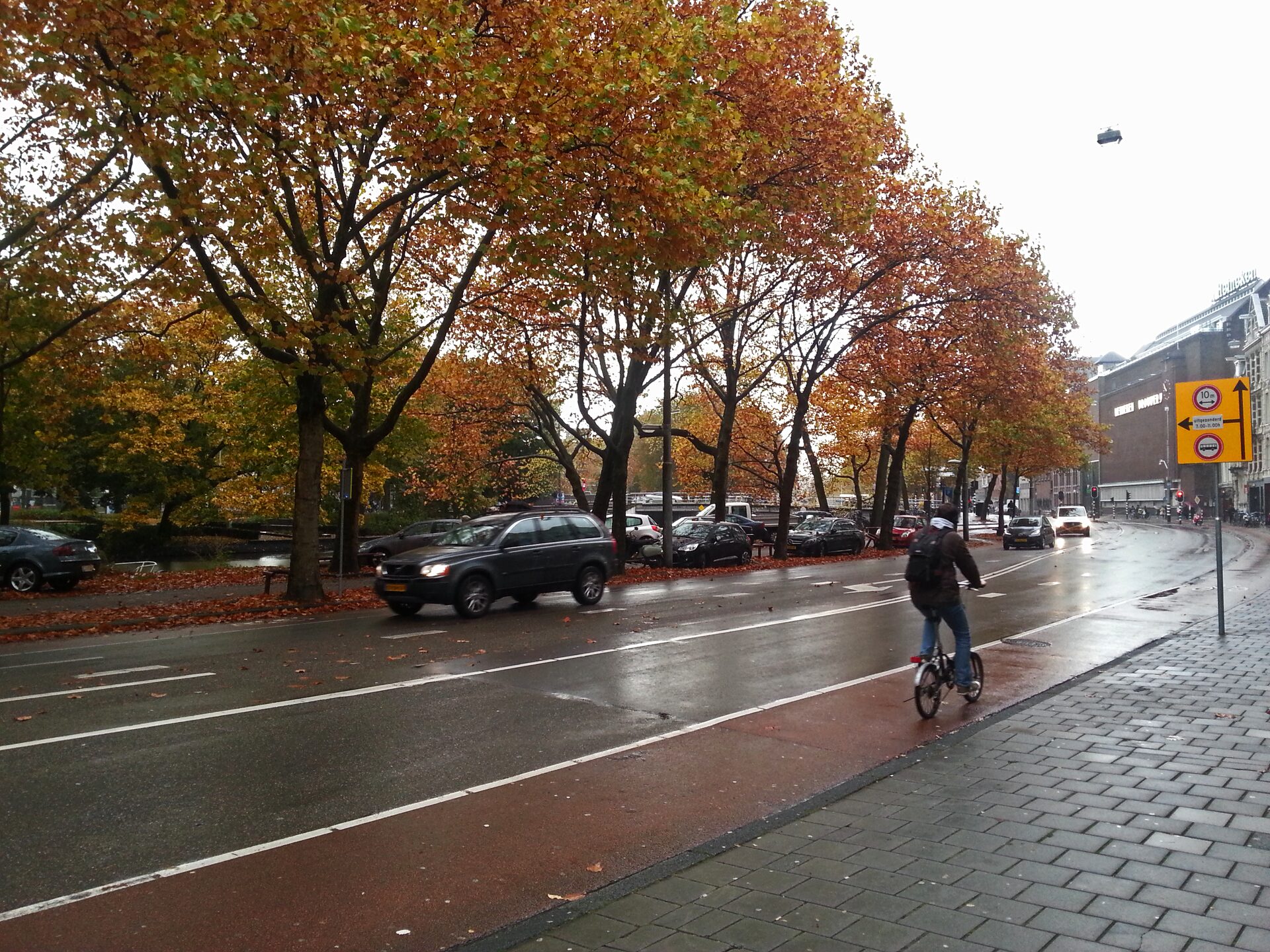
The responsible sanctioning officer or police zone receives self-contained case files: clear, verifiable and free of subjective judgement. The same violation is recorded the same way everywhere, whoever happens to be nearby. Meanwhile the system counts traffic and measures how well the rules are respected, so you see whether enforcement is working.
How it works
-
01
Consultation
We come on site to discuss your enforcement goals, the streets and junctions involved and the cameras already in place.
-
02
Tailored plan
We choose the camera positions and the rules for each location, and agree the process with whoever issues the sanctions.
-
03
Installation and go-live
We install or connect the cameras, calibrate the view and review the first records together with you.
-
04
Ongoing support
We monitor the system, keep it up to date and report on compliance and impact.

Data and privacy
Enforcement needs evidence and privacy needs restraint. We deliver both.
- Faces and number plates are blurred. The system does not identify individuals.
- What the responsible authority receives is limited to the data relevant to enforcement.
- The system is designed around the GDPR.
Frequently asked questions
Which violations does the system detect?
For each location we set the rules that apply and the road users they cover. The system detects these violations:
- illegal overtaking, such as a car overtaking a cyclist in a bicycle zone;
- red-light running at junctions with traffic lights;
- driving where access is restricted: a school street, an access-only street or a through-traffic ban for certain vehicles;
- banned turns and directions, including wrong-way driving.
Will the evidence support a sanction?
Every record contains a video clip with the time and location. We agree the format in advance with the sanctioning officer or police zone that issues the fine.
Does the system decide on sanctions itself?
No. The system delivers the record. The responsible authority reviews the clip and decides.
Does it work with our existing cameras?
We assess your current cameras on site and tell you which positions and settings are needed. Where an existing camera gives us the view we need, we use it.
What about privacy and the GDPR?
Privacy is built into the design. Faces and number plates are blurred, nobody is identified and you receive only the data relevant to enforcement. We set up the processing in line with the GDPR.
What does it cost?
Every situation is different. We visit your site to discuss the options.
Discuss enforcement in your municipality
We visit your site to discuss the options and look with you at which streets and junctions qualify.
