Bicycle zone monitoring
Know how your bicycle zones are really used.
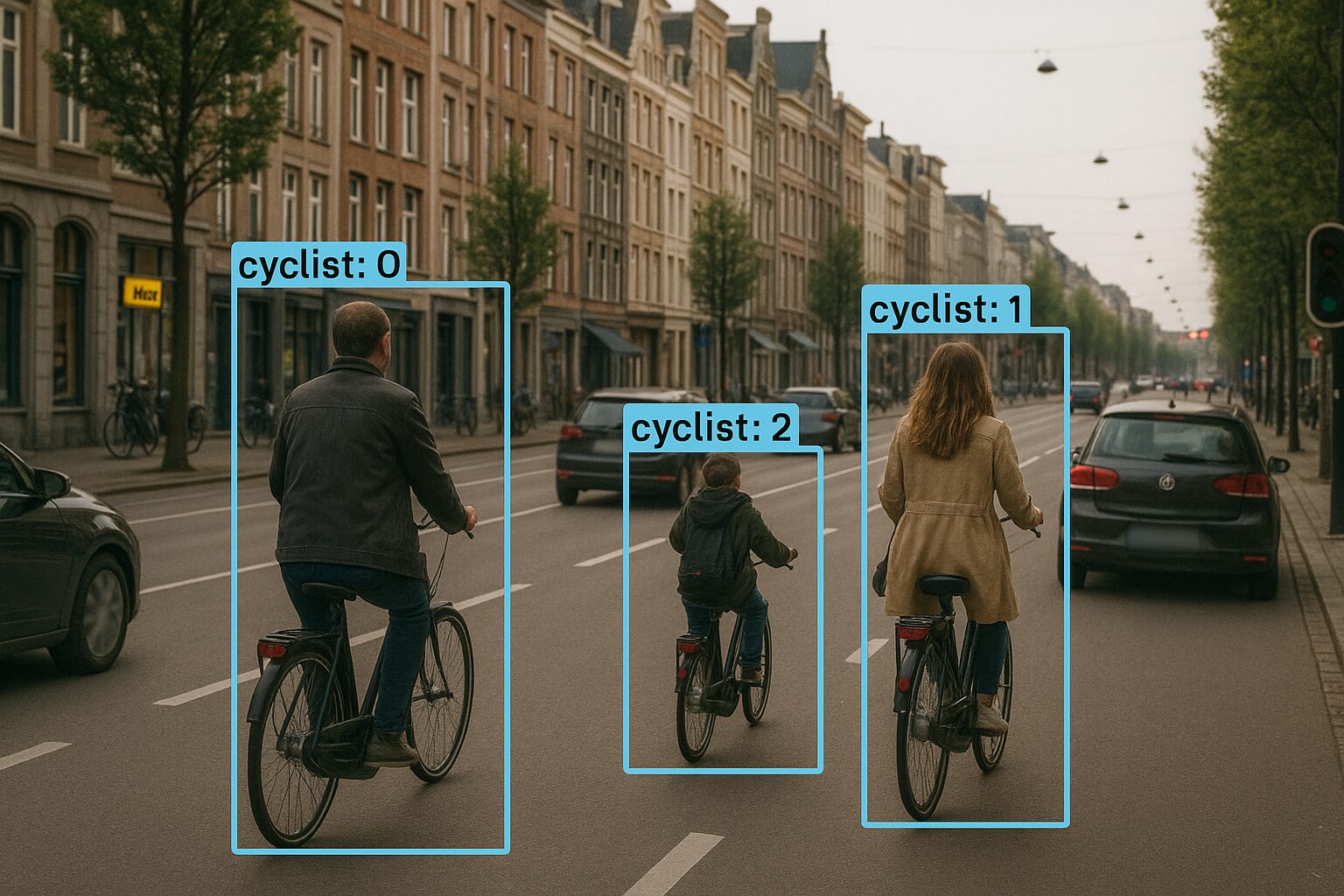
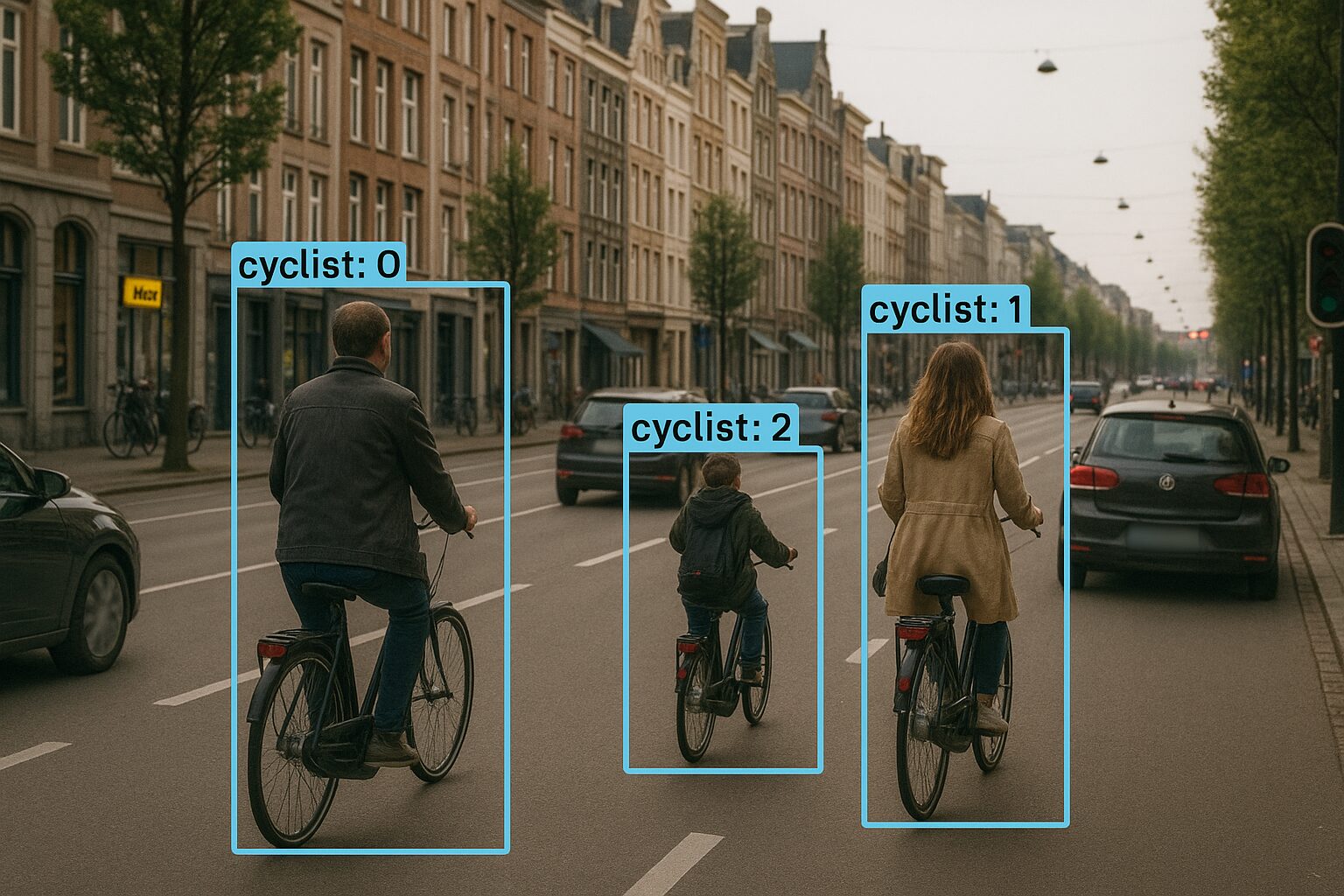
Bike D Tec Bicycle Zone Monitoring uses AI cameras to count the cyclists, cars and other road users in a bicycle zone, and detects when a car overtakes a cyclist. Mobility teams get objective figures to evaluate bicycle zones, adjust them and justify new investment.

From problem to result


-
01 The problem
A bicycle zone with no figures and no checks
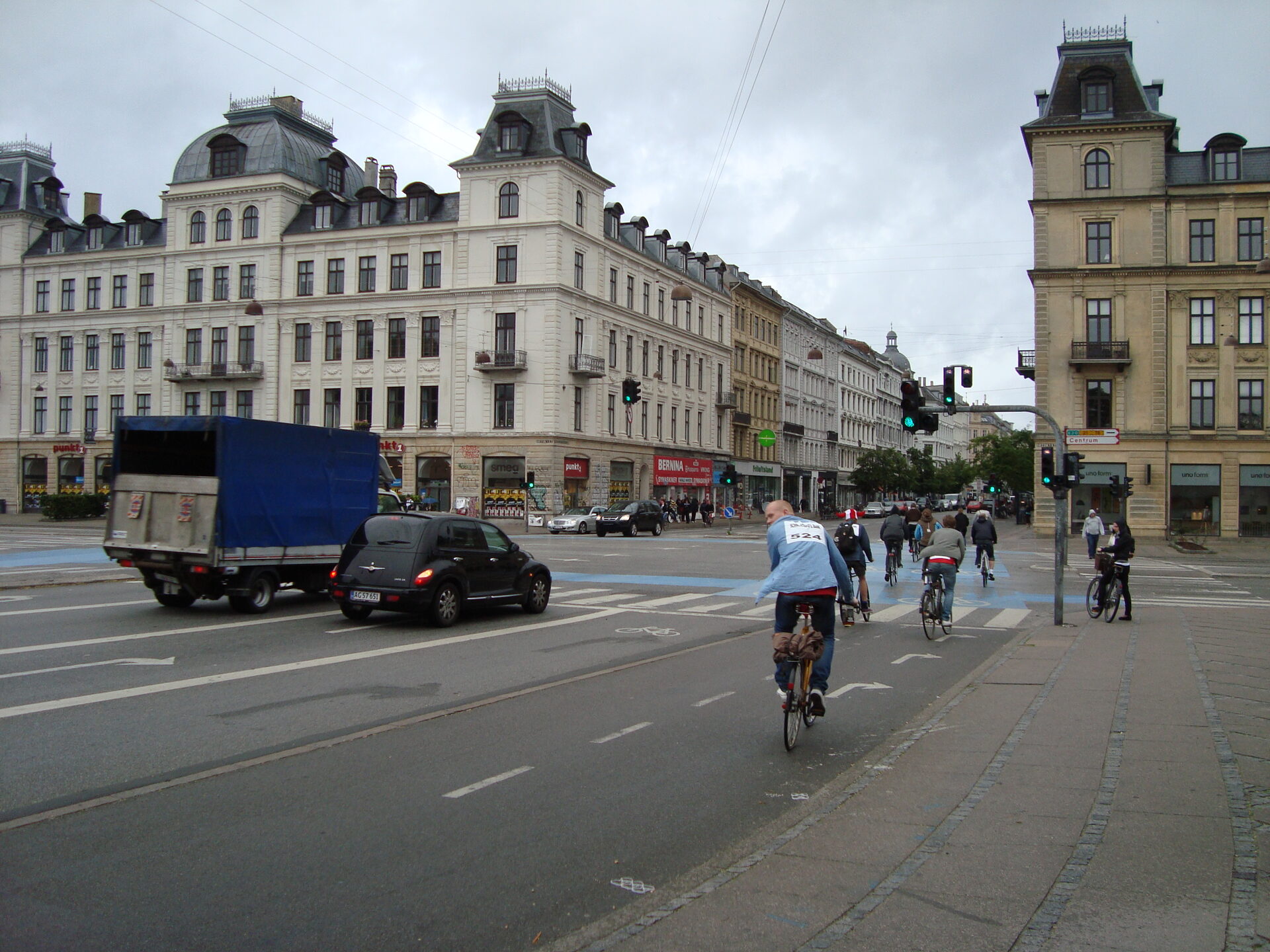
Creating a bicycle zone is a deliberate policy choice. But is it working? How many cyclists use it, at what times, and do drivers respect the rules? One-off counts and residents’ complaints give an incomplete picture. And enforcement in the zone stays sporadic: a check on a random Tuesday does little for behaviour on the other days. Drivers who overtake cyclists get away with it, and people who feel unsafe leave the bike at home.
-
02 Our approach
Continuous monitoring instead of sporadic enforcement
Our AI cameras recognise and count cyclists, cars, pedestrians and other road users, every hour of every day. The system measures the traffic mix and how busy the street is, and detects when a car overtakes a cyclist, with a short video clip as evidence. There are no sensors in the road surface and no manual counts.
-
03 The result
Cycling policy built on facts
You see how each bicycle zone performs by day and by hour, and how that changes after an intervention. The records of illegal overtaking give you a basis for targeted enforcement. It gives you the evidence to explain decisions to the council and residents, step in where problems arise and show what an investment has delivered.
How it works
-
01
Consultation
We come on site to discuss the questions you need answered and the streets and cameras involved.
-
02
Tailored plan
We draw up a measurement plan: camera positions, counting zones and the figures you want to monitor.
-
03
Installation and go-live
We install or connect the cameras, calibrate the view and check the first counts with you.
-
04
Ongoing support
We monitor the system, keep it up to date and deliver the data in a dashboard or through an API.

Data and privacy
Monitoring needs movements, not people.
- Faces and number plates are blurred.
- What you receive are anonymised counts and movement patterns, not identifiable people.
- The system is designed around the GDPR.
Frequently asked questions
What exactly does the system measure?
The number of cyclists, cars, vans, trucks, buses, motorcyclists, e-scooter riders and pedestrians, the traffic mix, peak hours and how busy the street is, compliance with the bicycle zone rules, and cars overtaking cyclists.
Do we need new infrastructure?
No. The system is entirely camera-based: no roadworks and no sensors in the road surface.
Does it work with our existing cameras?
We assess your setup on site and advise on how to get the best data quality and coverage. Where an existing camera gives the right view, we use it.
Does this help with enforcement too?
Yes. The system records illegal overtaking with a video clip, the time and the location. If you want to issue sanctions as well, our Enforcement solution builds on it.
How do you protect road users’ privacy?
Faces and number plates are blurred and nobody is identified: the system delivers anonymised counts and movement patterns. It is designed around the GDPR.
What does it cost?
Every situation is different. We visit your site to discuss the options.
Measure how your bicycle zones perform
Tell us which bicycle zones you want to monitor. We come on site and draw up a measurement plan with you.